

In the vast landscape of the food and beverage industry, few names resonate as powerfully as Kraft Heinz. As a global leader in consumer packaged goods (CPG),
The Kraft Heinz Company has shaped how we eat, from everyday meals to indulgent snacks. Whether you’re squeezing Heinz ketchup on your fries or stirring up a bowl of Kraft Mac & Cheese, Kraft Heinz products are staples in households worldwide.
This blog post delves into the essence of Kraft Heinz, covering its rich history, iconic brands, commitment to innovation and sustainability, market dominance, and the latest developments that are redefining its trajectory.
With a focus on quality, taste, and nutrition, Kraft Heinz continues to influence modern food trends and consumer preferences in the dynamic CPG sector.
The History of Kraft Heinz: From Humble Beginnings to a Mega-Merger
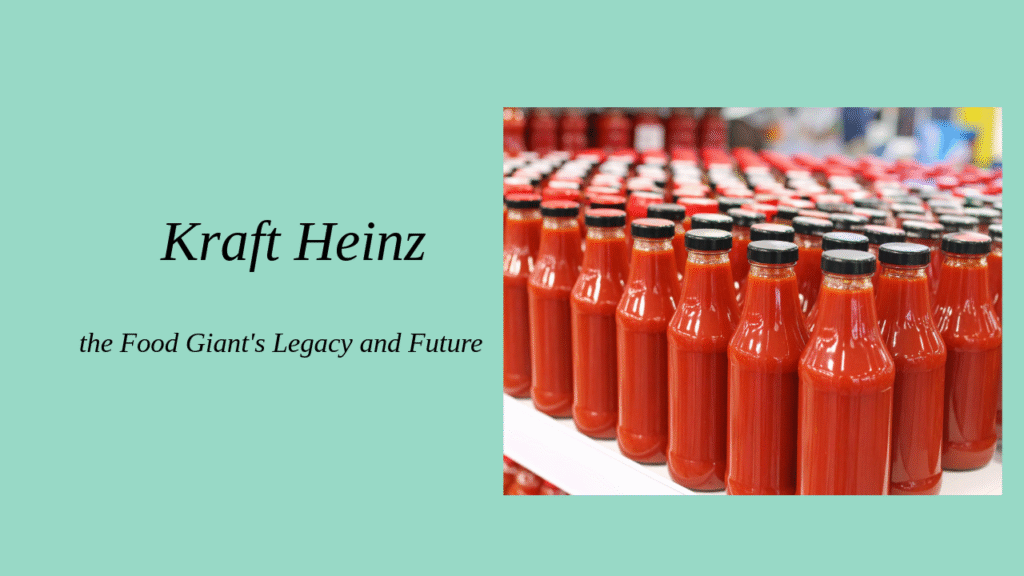
The story of Kraft Heinz is one of ambition, mergers, and evolution in the food industry. Kraft Foods traces its roots back to 1903 when James L. Kraft began selling cheese from a horse-drawn wagon in Chicago.
Over the decades, Kraft grew into a powerhouse, acquiring brands and innovating products like processed cheese slices that revolutionized convenience foods.
Meanwhile, H.J. Heinz Company started in 1869 with Henry John Heinz selling horseradish in Pittsburgh, eventually becoming synonymous with ketchup and condiments through quality-focused production.
The pivotal moment came in 2015 when Kraft Foods and Heinz merged in a $46 billion deal orchestrated by 3G Capital and Berkshire Hathaway, led by Warren Buffett. This created The Kraft Heinz Company (KHC), aiming to combine complementary portfolios for greater efficiency and global reach.
However, the merger faced challenges, including cost-cutting measures that impacted innovation and a 2019 write-down of $15 billion on brands like Oscar Mayer and Kraft. Despite these hurdles, Kraft Heinz has worked to rebound, focusing on organic growth and consumer-centric strategies.
As of 2025, the company is at another crossroads, announcing plans to separate into two independent entities to unlock value and accelerate growth.
This move effectively unwinds the 2015 merger, reflecting the evolving demands of the food and beverage market where agility often trumps size.
Iconic Brands and Diverse Product Portfolio
At the heart of Kraft Heinz’s success is its unparalleled portfolio of beloved brands that span categories like condiments, cheeses, meats, beverages, and snacks.

With eight brands each surpassing $1 billion in value, Kraft Heinz dominates shelves in supermarkets and e-commerce platforms alike.
Heinz, the flagship for condiments, offers everything from classic ketchup to innovative sauces like Heinz EZ Squirt for kids. Kraft brands include the ever-popular Mac & Cheese, a comfort food icon that’s evolved with plant-based and gluten-free options to meet modern dietary trends.
Oscar Mayer brings deli meats and hot dogs to the table, while Philadelphia cream cheese is a baking essential. Other standouts include Planters nuts for snacking, Maxwell House coffee for morning routines, Jell-O for desserts, Lunchables for on-the-go kids’ meals, and Capri Sun for refreshing pouches.
This diverse lineup caters to all eating occasions, from quick breakfasts to family dinners. Kraft Heinz’s products emphasize convenience, affordability, and nostalgia, influencing consumer preferences toward ready-to-eat and value-driven options.
In the competitive CPG space, these brands not only drive revenue but also foster loyalty through marketing campaigns that tap into cultural moments, like Heinz’s viral ads or Kraft’s recipe integrations on social media.
Kraft Heinz’s Commitment to Innovation and Quality
Innovation is a cornerstone for Kraft Heinz, ensuring it stays ahead in a fast-paced food industry where trends like health-conscious eating and personalization dominate. The company invests heavily in research and development to refresh its offerings.
For instance, recent launches include better-for-you versions of classics, such as reduced-sugar Heinz ketchup or plant-based Oscar Mayer alternatives, aligning with the rise of vegan and flexitarian diets.
In 2025, Kraft Heinz was named to Fast Company’s list of the World’s Most Innovative Companies for the third consecutive year, highlighting its prowess in product development and digital transformation. Initiatives like the “360CRISP” technology for microwaveable sandwiches exemplify how Kraft Heinz blends tradition with tech to enhance taste and texture.
Quality remains paramount, with rigorous standards ensuring products deliver great nutrition and flavor. This focus helps shape consumer trends, encouraging sustainable snacking and convenient meal solutions amid busy lifestyles.
Strategic moves, including partnerships with startups through its venture arm, Springboard, fuel this innovation pipeline. For 2025, management anticipates sequential improvements in organic sales, driven by pricing strategies and new product rollouts that cater to emerging markets like functional foods and ethnic flavors.
Sustainability and Ethical Practices at Kraft Heinz
In today’s eco-conscious world, Kraft Heinz is stepping up its sustainability game, recognizing that responsible practices are key to long-term success in the food sector. The company’s Environmental, Social, and Governance (ESG) framework outlines ambitious goals, including a 20% reduction in virgin plastic use across its global portfolio by 2030.
This initiative involves collaborative efforts with suppliers to innovate packaging, such as recyclable pouches for Capri Sun and bio-based materials for Heinz bottles.
Kraft Heinz also targets net-zero emissions by 2050, with interim goals to cut Scope 1, 2, and 3 emissions through sustainable sourcing of ingredients like palm oil and cocoa. Programs like “Growing a Better World” focus on regenerative agriculture, supporting farmers to improve soil health and biodiversity.
These efforts not only mitigate environmental impact but also resonate with consumers seeking ethical brands, influencing trends toward transparent supply chains in the CPG industry.
By addressing challenges like water usage and waste in operations, Kraft Heinz unlocks sustainability solutions across its value chain, as noted in industry reports. This commitment enhances brand reputation and drives innovation in green technologies.
Market Presence and Global Impact
Kraft Heinz boasts a formidable market presence, ranking as the third-largest food and beverage company in North America and fifth worldwide. With operations in over 40 countries and products sold in more than 190, it generates billions in annual revenue, primarily from North America but with growing footprints in Europe, Asia, and emerging markets.
The company’s global reach allows it to adapt to regional tastes, such as spicier Heinz variants in India or premium Kraft cheeses in Europe. Financially, despite post-merger volatility, Kraft Heinz has stabilized through cost efficiencies and portfolio optimization. Its stock (NASDAQ: KHC) reflects investor confidence in its dividend yield and growth potential, especially amid inflation-driven pricing power in the food industry.
Kraft Heinz’s influence extends beyond sales, shaping culinary trends through collaborations with chefs and influencers, promoting easy recipes that incorporate its products into everyday cooking.
Recent Developments: A Bold Split and Future Outlook
As of September 2025, Kraft Heinz made headlines with its announcement to split into two publicly traded companies, reversing the 2015 merger to foster focused growth. One entity will concentrate on faster-growing segments like sauces, condiments, and spreads—including Heinz ketchup and Philadelphia cream cheese—while the other handles groceries such as Oscar Mayer meats, Kraft cheese, and Planters nuts.
This tax-free spin-off, expected in the second half of 2026, aims to accelerate profitable expansion and unlock shareholder value amid sluggish performance post-merger. Warren Buffett expressed disappointment, noting the original deal’s underperformance. The move has boosted stock prices slightly, signaling market approval.
Looking ahead, this restructuring positions Kraft Heinz entities to better navigate food trends like premiumization and health-focused innovations. Earlier in 2025, evaluations of potential spin-offs highlighted strategic shifts toward high-margin categories.
Conclusion: Kraft Heinz’s Enduring Role in the Culinary World
Kraft Heinz remains a titan in the food and beverage arena, blending heritage with forward-thinking strategies. From its merger-era ambitions to current sustainability drives and innovative products, the company continues to mold consumer habits and industry standards. As it embarks on this separation, Kraft Heinz is poised to thrive in a fragmented CPG landscape, delivering value through quality, convenience, and responsibility.
Whether you’re a food enthusiast, investor, or curious consumer, understanding Kraft Heinz offers insights into the broader dynamics of global food production. Stay tuned for how these changes unfold, as Kraft Heinz shapes the future of eating one iconic brand at a time.
